Showing posts with label Camping. Show all posts
Friday, June 24, 2011
Gear Box: Eureka Apex 2XT Tent
Living in Texas, where we've already had more than a dozen days of triple-digit heat y this year, we're always looking for gear that performs well in warmer temperatures. After all, it isn't much fun to be uncomfortable in extremely hot and dry weather. In fact, while most of the U.S. is just getting their camping gear onto the store shelves, ours is being put in storage until fall, when it is actually safe to go back outside again.
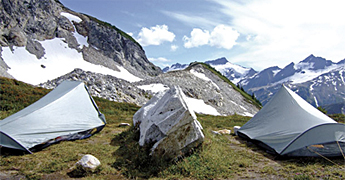
Fortunately, there are some gear manufacturers that go to great pains to design gear that works well in warm weather, ensuring we don't have to cancel our camping trip just because the mercury starts to climb. One of those companies is Eureka, who makes a variety of tents for backpacking, family outings, and even mountaineering expeditions. I took one of their newly designed Apex 2XT tents on a recent weekend outing, and found that it was a fantastic option for summer campers.
One of the biggest challenges of testing out a new tent is trying to figure out how to set it up. Sometimes they are simple, straight forward affairs, and sometimes it requires a rocket surgeon to help you figure it out. In the case of the Apex, it was a real breeze to put it together, taking just a few minutes to get it set up and ready for use. That's greatly appreciated at the end of a long day on the trail or when you're trying to out run a sudden storm.
After setting the tent up, I climbed inside to check out my sleeping space and was surprised to find a very spacious interior. The Apex 2XT is rated for two campers, which it can fit comfortably with room to spare for gear as well. In fact, its large enough that two adults and even a small child could probably get away with sharing the space for weekend outings.
As is typical with Eureka tents, the Apex is well constructed and durable. It also includes a fly that covers the entire tent and creates two vestibules that are helpful for keeping gear dry in inclement weather. A gear loft and interior pockets helps you to keep your important items close at hand, and a "bathtub" floor helps to keep the water out.
The Apex is most definitely designed for warmer weather, and the twin side-opening access points help to keep the interior well ventilated on summer nights. If you use the tent in those kinds of conditions, you're likely to be very happy with its performance. This is a late-spring to early-fall kind of shelter, and anything much colder than that will probably leave you wanting something a bit more substantial.
Speaking of substantial, the tent is a bit on the heavy side as well. Light and fast backpackers will want to look elsewhere as well, as the Apex 2XT has a pack weight of 6 pounds, 5 ounces. That's a fairly heavy load for a two-person tent that doesn't offer better protection in colder temps. But on the other hand, it is hard to beat the quality, size, and performance for the price.
One other item of note is that I've read that this tent has issues with keeping moisture out, particularly in heavy rainfall. I can't confirm or deny these issues, as it was warm and dry when I used the tent. I can say that it seems that Eureka has taken great strides to incorporate design elements that should help to keep all but the heaviest of rains out. The bathtub floor, included fly, zipper covers, and other items seem well thought out and incorporated to keep us dry, but perhaps there is something I'm overlooking.
Warm weather campers will find the Apex 2XT has everything they need for their summer outings. With plenty of interior room and good design elements, tt is an excellent and affordable option that should serve you well, provided you don't use it in cooler weather.
MSRP: $129.99 (But it at TravelCountry.com)
Thursday, June 23, 2011
Gear Box: Brooks-Range Alpini 30 Sleeping Bag
One of the keys to a good camping trip is, without a doubt, a quality sleeping bag. You can put up with inclement weather, going days without a hot shower, and endure mediocre camp food, but when it comes time to sleep, you need to be comfortable. This is true in every season, ranging from the sub-zero temperatures of winter to the scorching hot of summer.
Recently I had the opportunity to test out the new Alpini 30 Sleeping Bag from Brooks Range and as usual with gear from BR, I found it a more than worthy addition to my gear closet. From the moment you take it out of the included stuff sack, the Alpini impresses with its design and build quality, as the bag features lightweight fabrics that are both soft and rugged, making it comfortable to sleep in, but tough enough to survive the rigors of the trail.
As the name implies, the Alpini 30 is rated down to about 30ºF (0ºC) making it a perfect sleeping bag for spring and fall camping excursions or cooler summer nights at altitude. Thanks to its "mummy" style design, which includes a hood, the Alpini is extremely versatile, allowing you to bundle up as much or as little as you need to stay comfortable. The heavy duty, high quality, zippers aid in this process quite a bit, allowing you to keep the bag open on warmer nights, or zipped up snuggly when the temperatures start to drop. Those same zippers are bi-directional, allowing you to vent your legs and feet, while remaining warmly wrapped around your torso and head.
As someone who travels regularly, I always tend to favor gear that is light in weight and doesn't take up much room in my pack. The Alpini fits that description as well, as it stuffs down to a very small footprint and weighs less than a pound and a half. In fact, it is so light, you'll barely even remember you have it with you when you're hiking. Brooks Range used 850+ fill goose down to achieve the miracle of a warm and comfortable sleeping bag that also happens to have such a minimalist profile.
While the Alpini is an excellent, well made sleeping bag, there are two things to keep in mind when deciding if it is right for you. First, the temperature rating system is fairly accurate, and I can't imagine using this bag much below freezing. It is a perfect cool weather bag but you'll want something warmer for your cold weather adventures. (Like the Alpini 15 perhaps!) The other thing to consider is that Alpini runs a bit on the small side, and if you're above 6 feet in height, you may find it a bit too confining. I'm 6'3" and about 200 pounds, and at times I felt the bag didn't quite fit me properly. A larger size would be appreciated, although that doesn't seem to be an option at this point.
Those two quibbles aside, the Alpini 30 is a fantastic option for three-season camping. You'll be impressed by how comfortable and lightweight it is, not to mention how small it packs down. It is a versatile and well built sleeping bag that will serve you well in all but the most extreme conditions.
MSRP: $319 available from the Brooks-Range.com.
Friday, April 15, 2011
National Parks Week Begins Tomorrow!
As an avid traveler and outdoor enthusiast, I'm a big fan of America's National Parks. These amazing wilderness settings are amongst the most beautiful places I've visited on Earth, and that is saying something, as I've been fortunate enough to visit some pretty spectacular places. To celebrate these wonderful places, the Park Service has declared April 16th - 24th as National Parks Week and has scheduled a host of activities to take place during that period. They're also making the parks free to visitors during those days, waiving the entrance fee for all who want to experience the wonders of the parks for themselves.
Over the course of the next nine days, there will be a lot of promotional activities taking place in a number of parks throughout the country. Be sure to check out NPS.gov for more information on those official park events, and drop by the National Parks Promotional Council website to see what some of the affiliated organizations have on tap as well.
As for me, I'm heading out to Joshua Tree for the weekend. The National Parks Conservation Association is holding an event out that way, and I'll be on hand to cover it and take part in the festivities. I've never been to Joshua Tree before, so I'm looking forward to experiencing a new park and kicking of National Parks Week in grand style. I hope you have plans to enjoy a park during the week ahead as well.
Labels:
Backpacking,
Camping,
General Adventure,
Hiking,
National Parks,
Paddling
Thursday, March 31, 2011
Gear Box: Satmap Active 10 Trek GPS
GPS devices are a dime a dozen these days. It use to be fairly easy to go into your favorite gear shop and plunk down your hard earned money, and walk out with a handheld device from Garmin or Magellan. Now though, there are a number of other options to choose from, all with a host of features to help you navigate your way through the backcountry.
One such option is the Active 10 Trek from Satmap, a company with a strong reputation in Europe, but a bit lesser known here in the States. As you would expect, the Active 10 Trek has all the features you could ever want in a handheld GPS device, including a built-in base map with a good level of details, the ability to mark way-points and chart courses, and a digital compass to keep you on course. The device is also ruggedized to protect against all sorts of weather and has a color screen to help the maps easy to read, even in the bright sunlight. A red backlight for navigation at night helps protect your eyes, and large buttons make the Active 10 easy to use, even while wearing gloves.
The device is well built and screams high quality and refinement at every turn. It has a nice heft in your hands, but isn't too heavy either, and you get the feeling that it can stand up to all kinds of punishment on the trail. There are eight buttons on the unit, plus a tiny joystick. Those can be a bit daunting at first, but once you get the hang of how it works, you'll soon be using all of those buttons easily and without thinking. The interface is intuitive and easy to use. So much so, that I took it out on my first trial run without even reading the manual, and used it to successfully navigate off trail between two points. That should say something about how easy it is to use the Active 10.
Of course, a number of GPS devices could be described in the same manner that I described this one above. But the Active 10 has something that no other handheld GPS device can boast, which is access to the library of National Geographic Maps right on the unit. The Active 10 has an SD card slot along the left side of the device, which facilitates expansion maps that can add far more detail to the built-in base map. SD cards with the Nat Geo maps are purchased separately, but deliver the kind of expertise that can only come from National Geographic.
With my test unit I received two of the Nat Geo map cards to try out on the Active 10. Those cards included the Trails Illustrated: America's Greatest National Parks and the Topo! Texas maps. The latter of those would prove very useful on weekend hikes in my home state. The first time I zoomed down to the highest detail level while out hiking, my eyes nearly popped out of my head. Seeing all of those topographic lines, trails, and POI's was very impressive, and a HUGE upgrade from my previous GPS device that is over eight years old. Similarly, the National Parks card includes a similar level of detail for 25 of the best parks in the U.S. That list includes: Acadia; Arches; Big Bend; Bryce Canyon; Canyonlands; Channel Islands; Death Valley; Glacier/Waterton; Grand Canyon; Grand Teton; Great Smoky Mountains; Isle Royale; Joshua Tree; Kings Canyon; Mount Rainier; North Cascades; Olympic; Redwood; Rocky Mountain; Sequoia; Shenandoah; Voyageurs; Yellowstone; Yosemite; and Zion.
Satmap didn't scrimp on the accessories that come with the Active 10 either. Inside the box you'll find a lanyard, as well as a very nice case, for carrying your GPS on the trail. There is also a USB cable for connecting the Active 10 to your computer, 3 AAA batteries and a rechargeable battery pack. There is also a car charger and a wall charger with every international adapter you could ever hope for. The batteries last for a good long time, especially the included rechargeable pack. It is difficult to give you an accurate number, as how you use the device greatly impacts battery life, but I had no problem getting 15+ hours of use, and with the USB cable I could connect the device to my Solio solar charger to recharge the batteries on longer treks.
Performance on the Active 10 is excellent. The first time I turned it on, it took it awhile to connect to the satellites, but it managed to lock on to every one of them, even under a decent tree cover. Subsequent uses of the device showed a marked improvement in locking on to the satellites as well. I'm not sure why there were performance gains, but I suspect that the first time out of the box, there was an initialization process that the Active 10 had to complete.
After an initial get acquainted session, I found the Active 10 very easy to use, and I was quickly drilling down into some of the more high level navigational functions without even thinking about it. Setting way points was a breeze, and navigating to them was even easier. The electronic compass was useful in a number of circumstances, and the interface was so quick, that I could turn the device off, and store it in the case, only breaking it out as needed.
I haven't had the opportunity to go geocaching with the Active 10 yet, but I'm told that it is easy to load up geocaching coordinates and go in search of those hidden treasures. I hope to give it a go sometime in the near future.
If you couldn't tell, I'm highly impressed with the Satmap Active 10 Trek. By itself, it is an excellent, easy to use GPS device with all the features you could ever hope for. Throw in great battery life and an interface that is easy to use, and you have a real winner. Pair the device with the amazing National Geographic Maps, and you have a GPS unlike any other o the market. Those maps unlock a lot of potential for hikers, backpackers, mountain bikers, and just about any other outdoor enthusiast. You won't get the Nat Geo maps on any other handheld GPS device, and that puts the Active 10 in a class all it's own. (MSRP: $369.99)
Labels:
Backpacking,
Camping,
Gear,
GPS,
Hiking,
Mountain Biking
Monday, January 3, 2011
Gear Box: Columbia Grade Max Sweater with Omni-Heat
Throughout the holiday season you've no doubt seen the various television commercials from outdoor gear company Columbia. The spots tout their new Omni-Heat material which they say is up to 20% warmer than similar fabrics. I recently got the opportunity to put those claims to the test by trying out their Grade Max Sweater which features an Omni-Heat inner lining.
I'm actually hesitant to call this product a "sweater" but that's what Columbia classifies it as. In reality, it actually more like a light jacket then a sweater in both design and fit. Speaking of design, this jacket looks very nice and I can't tell you how many compliments I had while wearing it around town. It is cut to fit a bit snugly, but is comfortable none the less, and it actually has a very classic look about it that makes it feel like it'll never go out of style. In fact, the jacket looks so good that I was actually reluctant to wear it on a trail. It seems better suited for hanging out in camp or for grabbing a bite at your favorite post hike eatery.
That said, the Grade Max Sweater definitely lives up to the hype regarding how warm it is. The interior of the jacket is lined with a shiny, multicolored fabric that received nearly as much attention as the exterior when it was spotted by friends. I joked that it was part of Joseph's Technicolor Dreamcoat when they inquired about the strange looking material. In reality, this is Columbia's Omni-Heat on full display. The fancy looking material is designed to reflect our own body heat back on us helping to keep us warm in the inclement weather.
So how does it perform? Remarkably well actually. The jacket kept me warmer than similarly weighted coats from other manufacturers in the same temperatures. In fact, I'd often throw this jacket on while heading out the door in the morning only to find that it was too warm later in the day when temperatures increased.
That minor complaint aside, I was very impressed by Grade Max. It looks great and is plenty warm for winter nights out on the town. I'll leave it up to you to decide if you want to wear it on the trail. I'm sure it'll perform quite nicely there as well, especially as part of a layering system, but it seems to look too good to take it to the backcountry.
MSRP: $120
Monday, November 15, 2010
Adayak Gift Certificate Giveaway!
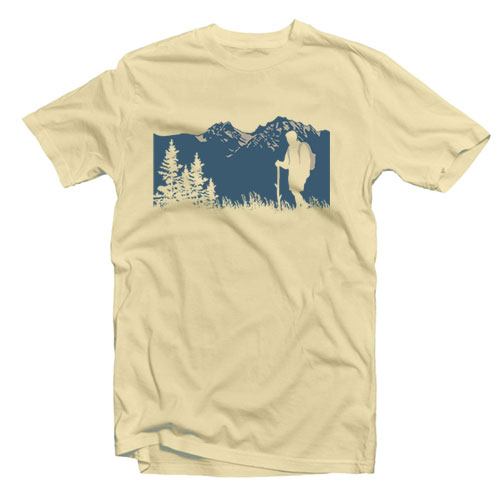
It's time for another round of giveaways here at the Adventure Blog, and this time I've got a couple of $25 gift certificates for Adayak.com, a website that has some very cool organic t-shirts with an outdoor adventure theme, that I'm sure you're going to love. The shirts have great prints for your favorite activity, whether it's camping, climbing, hiking, or whatever, and they look equally good on the trail as they do around town.
As usual, I try to make entering any contest as simple as I can, and this one will be no exception. In order to enter, simply send me an e-mail at kungfujedi@gmail.com with the subject of Adayak. That's it! Once I receive the e-mail, I'll put you into a random drawing for the gift certificate, with the first one being awarded this Friday.
Big thanks to Adayak for providing the gift certificates and some seriously cool products.
As usual, I try to make entering any contest as simple as I can, and this one will be no exception. In order to enter, simply send me an e-mail at kungfujedi@gmail.com with the subject of Adayak. That's it! Once I receive the e-mail, I'll put you into a random drawing for the gift certificate, with the first one being awarded this Friday.
Big thanks to Adayak for providing the gift certificates and some seriously cool products.
Labels:
Camping,
Climbing,
Contests,
Gear,
General Adventure,
Hiking,
Paddling,
Snowboarding
Tuesday, September 21, 2010
Gear Burger Serves Up Piping Hot Deals
If you're like me, you're probably always on the lookout for a great deal on new gear to add to your collection. Sometimes waiting for just the perfect sale can take forever and if you miss your opportunity, you could be completely out of luck.
That's where the new site GearBurger.com comes in. The site monitors 25 different online retailers, including sites like REI.com and Backcountry.com, and tracks over 2000 different brands, in order to find the best deals for you. Not only that, you can customize your search to look for the gear you are specifically looking for and have alerts sent directly to your e-mail so you'll never miss a sale. It's like having your own personal supper always standing by to find exactly what you need.
It is super easy to get started on the site, and you can even login using just your Facebook account, which means you'll be getting deals on outdoor gear in just a few minutes. After that, you're on your own, as I can't be held responsible for the damage that this site could do to your bank account.
That's where the new site GearBurger.com comes in. The site monitors 25 different online retailers, including sites like REI.com and Backcountry.com, and tracks over 2000 different brands, in order to find the best deals for you. Not only that, you can customize your search to look for the gear you are specifically looking for and have alerts sent directly to your e-mail so you'll never miss a sale. It's like having your own personal supper always standing by to find exactly what you need.
It is super easy to get started on the site, and you can even login using just your Facebook account, which means you'll be getting deals on outdoor gear in just a few minutes. After that, you're on your own, as I can't be held responsible for the damage that this site could do to your bank account.
Labels:
Camping,
Cycling,
Gear,
General Adventure,
Hiking,
Mountain Biking,
skiing,
Snowboarding
Wednesday, September 15, 2010
Driving Montana's Beartooth Highway
While visiting Montana a few weeks back I had the opportunity to take a drive along U.S. Route 212, better known as the Beartooth All American Road. I wrote about those experiences for travel sight Gadling.com today, but wanted to share some thoughts here as well, because if you're planning to head to Montana or Yellowstone in the future, you owe it to yourself to take this route.
The Beartooth Highway is just 69 miles in length, stretching between Red Lodge and Cooke City. But those are some of the most beautiful 69 miles you'll find anywhere on the planet. The scenery is breathtaking with deep valleys carved by glaciers, clear mountain lakes, rushing waterfalls, and unique rock formations lining the road. Luckily, there are plenty of scenic overlooks and pull offs along the way, giving you a chance to stop the car and capture the landscapes with your camera.
The road tops out at the Beartooth Pass at an altitude of 10,947 feet. At that altitude the weather can be of a challenge at any time of the year, which is why the road closes for the winter in mid to late October each year and doesn't re-open until Memorial Day Weekend the following year. Indeed, while I was there at the end of August, we had heavy snow on consecutive days, with whiteout conditions at the higher elevations. Those freak August blizzards are rare, but you'll want to dress appropriately no matter what time of the year you make the drive.
Outdoor enthusiasts will love the Beartooth Highway for other reasons as well. There is great hiking and backpacking along the route, and plenty of places to camp too. In the winter, the trails allow for snowmobiling, skiing, and snowshoeing too, making it an excellent, and not overcrowded, playground all year long.
Perhaps best of all, the road ends at the Northeast Entrance to Yellowstone, so while you'll lament the end of the drive, you'll have that spectacular park to offer consolation. This is one of the least used entrances to the park, and few even know it exists, so it's a perfect way to gain access without too much traffic getting in the way, and once inside, you'll have a whole new landscape to explore.
Next year is the 75th Anniversary of the Beartooth Highway, and celebrations are planned to commemorate the event. The best celebration of all however is to take the ride for yourself. I promise it's worth the trip.
Labels:
Adventure Travel,
Backpacking,
Camping,
General Adventure,
Hiking,
Travel,
Yellowstone
Thursday, August 26, 2010
Grand Canyon National Park Faces Challenges, Embraces Opportunities
The National Parks Conservation Association is an organization dedicated to protecting America's national parks and ensuring that they remain the amazing environments that we all know and love, so that future generations have the opportunity to enjoy them too. Recently, the NPCA released their State of the Park report on the Grand Canyon, which outlines some of the challenges that that park faces, while also turning a spotlight on the opportunities for protecting it as well.
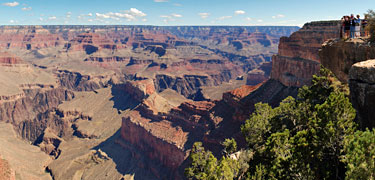
The Grand Canyon is one of America's first national parks, and it is certainly amongst the most iconic as well. Each year, more 4.5 million visitors, both foreign and domestic, travel to the park, which encompasses more than 1.2 million acres of land in Arizona. The place is a mecca for both adventure travelers and tourists alike, with many drawn in because of the spectacular scenery and options for outdoor fun, which includes hiking, paddling, camping, and much more.
In the report, the NPCA points to some serious threats to the future of the Grand Canyon National Park, including mining activities on the park borders, increased air pollution (coming from cities more than 100 miles away!), and one that I hadn't even considered –noise pollution. The threat from mining and air pollution are fairly self explanatory, as they can directly affect the health of the environment, including the plants and animals that live there and the visitors to the park. Noise pollution, on the other hand, is one of those things that you don't necessarily think about, but can still ruin the solitude and peacefulness that you feel while in a remote place. In the case of the Grand Canyon, the noise pollution is a result of so many commercial and scenic flights passing over head, having an adverse effect on those on the ground.
Perhaps the biggest challenge to the park operating as it should comes from the lack of funding that it is receiving. Considering the current state of the economy, this should be much of a surprise I suppose, but the NPCA says that the National Park Service could use an additional $6.2 million in its annual budget just to cover the park's day-to-day functions. Even more eye opening is the fact that there is a backlog of maintenance issues that is estimated to require $300 million to address. That is an awfully big hole to try to climb out of in an era when budgets are being cut across the board.
The report also cites some great opportunities to improve the natural environment in the park and protect the plants and animals that live there. Amongst the suggestions for protecting the Canyon is the suggestion that corrections to the course of the Colorado River may need to be made to help prevent the degradation of resources along its banks. Those changes would help to create a more sustainable environment moving forward, which can only be a good thing for the long term health of the park.
Other suggestions for improvements include allowing the Park Service to have direct control over the airspace above the Canyon, which would allow them to limit the number of aircraft in the area, thus reducing the noise level. There are also plans to declare the backcountry a wilderness area, which would help protect it more fully, while also annexing threatened lands that surround the park though an act of Congress. Increased permanent funding and more research on the impact of climate change are amongst the other suggestions as well.
To read the entire report, in .pdf format, click here. For the shorter, digest version click here.
The Grand Canyon is one of America's first national parks, and it is certainly amongst the most iconic as well. Each year, more 4.5 million visitors, both foreign and domestic, travel to the park, which encompasses more than 1.2 million acres of land in Arizona. The place is a mecca for both adventure travelers and tourists alike, with many drawn in because of the spectacular scenery and options for outdoor fun, which includes hiking, paddling, camping, and much more.
In the report, the NPCA points to some serious threats to the future of the Grand Canyon National Park, including mining activities on the park borders, increased air pollution (coming from cities more than 100 miles away!), and one that I hadn't even considered –noise pollution. The threat from mining and air pollution are fairly self explanatory, as they can directly affect the health of the environment, including the plants and animals that live there and the visitors to the park. Noise pollution, on the other hand, is one of those things that you don't necessarily think about, but can still ruin the solitude and peacefulness that you feel while in a remote place. In the case of the Grand Canyon, the noise pollution is a result of so many commercial and scenic flights passing over head, having an adverse effect on those on the ground.
Perhaps the biggest challenge to the park operating as it should comes from the lack of funding that it is receiving. Considering the current state of the economy, this should be much of a surprise I suppose, but the NPCA says that the National Park Service could use an additional $6.2 million in its annual budget just to cover the park's day-to-day functions. Even more eye opening is the fact that there is a backlog of maintenance issues that is estimated to require $300 million to address. That is an awfully big hole to try to climb out of in an era when budgets are being cut across the board.
The report also cites some great opportunities to improve the natural environment in the park and protect the plants and animals that live there. Amongst the suggestions for protecting the Canyon is the suggestion that corrections to the course of the Colorado River may need to be made to help prevent the degradation of resources along its banks. Those changes would help to create a more sustainable environment moving forward, which can only be a good thing for the long term health of the park.
Other suggestions for improvements include allowing the Park Service to have direct control over the airspace above the Canyon, which would allow them to limit the number of aircraft in the area, thus reducing the noise level. There are also plans to declare the backcountry a wilderness area, which would help protect it more fully, while also annexing threatened lands that surround the park though an act of Congress. Increased permanent funding and more research on the impact of climate change are amongst the other suggestions as well.
To read the entire report, in .pdf format, click here. For the shorter, digest version click here.
Labels:
Adventure Travel,
Camping,
Grand Canyon,
Hiking,
National Parks,
Paddling,
Travel
Monday, August 2, 2010
Outdoor Retailer Gear Preview
On the eve of the Outdoor Retailer Summer Market, held twice a year in Salt Lake City, Utah, the Gear Junkie has posted a nice preview of some things that are in the works, and expected to make their debut at the show. As usual, the four day event will highlight the latest and greatest outdoor gear that will be draining our wallets later this year and into 2011.
Amongst the items in the preview article are a new ultralight tent from Terra Nova that weighs just 1 pound, 1 ounces and an "endurance vest" from Salomon that looks like a hydration system for minimalist triathletes and ultra-runners. Other items include the first sit-on-top kayak from Necky, a shoulder bag designed for the iPad courtesy of STM Bags, and a new tri-suit from Wacoal Sports Science.
Perhaps the most interesting items to me are the nPower PEG and a new line of backpacks from a company called Mile High Mountaineering. The nPower PEG is an intriguing new device that purportedly generates power while you walk, and stores it for later use. You can then use the device to recharge your iPod, cell phone, or GPS device. (Can't wait to see how well this works!) The backpacks from MHM are being touted for some new thoughts on design, including a side loading sleeping bag compartment and a new approach to the internal compression system.
Keep an eye out for other new, and innovative products, in the next few days. I'm sure they'll be plenty of gear on display.
Amongst the items in the preview article are a new ultralight tent from Terra Nova that weighs just 1 pound, 1 ounces and an "endurance vest" from Salomon that looks like a hydration system for minimalist triathletes and ultra-runners. Other items include the first sit-on-top kayak from Necky, a shoulder bag designed for the iPad courtesy of STM Bags, and a new tri-suit from Wacoal Sports Science.
Perhaps the most interesting items to me are the nPower PEG and a new line of backpacks from a company called Mile High Mountaineering. The nPower PEG is an intriguing new device that purportedly generates power while you walk, and stores it for later use. You can then use the device to recharge your iPod, cell phone, or GPS device. (Can't wait to see how well this works!) The backpacks from MHM are being touted for some new thoughts on design, including a side loading sleeping bag compartment and a new approach to the internal compression system.
Keep an eye out for other new, and innovative products, in the next few days. I'm sure they'll be plenty of gear on display.
Labels:
Adventure Travel,
Backpacking,
Camping,
Gear,
General Adventure,
Hiking
Monday, July 26, 2010
Rock Climbing in South Dakota
Last year I had the pleasure of going to South Dakota for Primal Quest and had a great time playing in the Black Hills and Badlands. I was especially impressed with the great hiking, camping, and mountain biking opportunities in the state, with plenty of scenic backcountry to explore just a short drive in any direction from Rapid City.
By virtue of having been chosen to host Primal Quest, I knew SD had to be a great destination for all of those activities. But what I didn't realize prior to going there was how great the rock climbing was as well. We set up a spectacular climbing course for the race, designed by climbing legend Jay Smith, and many of the teams noted that it was not only their favorite part of the race, but also the best climbing routes they had ever done. The video below captures some of what it is like to climb in the region.
Summer is slipping away quickly, but if you're still looking to make a great outdoor trip this year, definitely consider going to South Dakota. It'll definitely be worth your visit.
Thanks to April for sharing the video with me.
By virtue of having been chosen to host Primal Quest, I knew SD had to be a great destination for all of those activities. But what I didn't realize prior to going there was how great the rock climbing was as well. We set up a spectacular climbing course for the race, designed by climbing legend Jay Smith, and many of the teams noted that it was not only their favorite part of the race, but also the best climbing routes they had ever done. The video below captures some of what it is like to climb in the region.
Summer is slipping away quickly, but if you're still looking to make a great outdoor trip this year, definitely consider going to South Dakota. It'll definitely be worth your visit.
Thanks to April for sharing the video with me.
Labels:
Adventure Travel,
Camping,
Climbing,
Hiking,
Mountain Biking
Friday, July 16, 2010
Nature Valley and Author Patricia Schultz Work To Preserve The Parks
Earlier this year, Nature Valley launched their National Parks Program in which they announced a plan to help preserve the parks by raising funds for the National Parks Conservation Association (NPCA). Nature Valley will donate as much as $600,000 to help fund three different preservation projects, and we consumers can help them reach that goal.
Between now and the end of August, for every specially marked Nature Valley granola bar wrapper that we send in to the company, they'll donate 10 cents to the NPCA, up to the $600,000 goal. You can find out more on the project, including where to send your wrappers, at PreserveTheParks.com. You'll also be able to donate directly to the NPCA there as well if you'd prefer.
The three projects that the company is donating the cash to include a plan to reestablish important plant life in the Grand Canyon, establishing free migration routes for Pronghorns in Yellowstone, and rebuilding coral reefs in Biscayne National Park as well. The funds will be put to good use working to reverse environmental damage that has been done over the years at each location.
Joining the cause is National Parks Spokesperson and best selling author Patricia Schultz. Patricia wrote the book 1000 Places To See Before You Die, which features many of the national parks quite prominently. She describes the parks as one of America's great resources, and is working to help preserve them for future generations of travelers to enjoy as well.
Nature Valley isn't just helping to preserve the parks however. Later this summer they'll also be giving away three trips to the Grand Canyon, one of the most spectacular parks in the entire system. Check back at PreserveTheParks.com and on the company's Facebook page for details on how you can win one of these trips too.
Between now and the end of August, for every specially marked Nature Valley granola bar wrapper that we send in to the company, they'll donate 10 cents to the NPCA, up to the $600,000 goal. You can find out more on the project, including where to send your wrappers, at PreserveTheParks.com. You'll also be able to donate directly to the NPCA there as well if you'd prefer.
The three projects that the company is donating the cash to include a plan to reestablish important plant life in the Grand Canyon, establishing free migration routes for Pronghorns in Yellowstone, and rebuilding coral reefs in Biscayne National Park as well. The funds will be put to good use working to reverse environmental damage that has been done over the years at each location.
Joining the cause is National Parks Spokesperson and best selling author Patricia Schultz. Patricia wrote the book 1000 Places To See Before You Die, which features many of the national parks quite prominently. She describes the parks as one of America's great resources, and is working to help preserve them for future generations of travelers to enjoy as well.
Nature Valley isn't just helping to preserve the parks however. Later this summer they'll also be giving away three trips to the Grand Canyon, one of the most spectacular parks in the entire system. Check back at PreserveTheParks.com and on the company's Facebook page for details on how you can win one of these trips too.
Labels:
Adventure Travel,
Camping,
General Adventure,
Grand Canyon,
Hiking,
Yellowstone
Friday, April 30, 2010
Arizona State Parks In Trouble

I saw this incredibly depressing story over at the Daily Dirt, one of Backpacker Magazines blogs. It seems that the bad economy has begun to take its toll on our favorite outdoor destinations, as the state of Arizona has announced that it is closing more than a third of its 30 state parks.
Despite the fact that the parks generate some $250 million in revenue for the surrounding communities on an annual basis, the state elected to move ahead with the closures, with budget shortfalls getting the blame. An earlier plan had 21 of the 30 parks scheduled for shut down, but a fund raising campaign, which included some generous donations from the public, saved several of the parks from the chopping block.
I suppose this is one of those "sign of the times" stories, but it is still quite sad to hear about these great outdoor spaces being shuttered. Some of the places on the list for Arizona include Picacho Peak, a popular 1,500-foot tall "mountain" located between Tucson and Phoenix and Red Rock State Park, found near Sedona. Both parks will close at the beginning of June.
Unfortunately, this probably isn't the last time we'll be reading a story like this in the coming weeks either, as nearly every state in the U.S. is scrambling to cover budget shortfalls at the moment.
Wednesday, February 17, 2010
The World's Best Hikes

We generally cover a wide variety of topics over at Gadling, a travel blog to which I contribute to on an almost daily basis. Everything from luxury to budget travel, and everything in between. Not surprisingly enough, I generally weigh in on adventure destinations and similar topics to what we discuss around here. But every once in awhile, someone writes a good article that I wished I had done. We have one of those today in the form of a list of the World's Best Hikes.
As the name implies, the article is the compilation of some of the best treks to be found anywhere in the world. There are the usual suspects in the form of The Appalachian Trail, Kilimanjaro, and Everest Base Camp, each of which more than deserves to be on the list. But there are some other great suggestions that are often overlooked, such as the Timberline Trail in Oregon, and the Cinque Terre in Italy as well.
The article was contributed to Gadling by Jason Heflin, who is one of the founders of Outdoorzy.com and writes that site's Outpost Blog. He's also recently done a great job of covering the Huairashinchi adventure race, which just wrapped up in Ecuador, for Adventure World Magazine as well.
The article also included the following video which is a great look at the Everest Base Camp trek that I'm eagerly looking forward to doing in a few months. Can't wait!
Labels:
Adventure Travel,
Camping,
Hiking,
Travel,
Trekking
Monday, February 15, 2010
Gear Box: Eureka Kotey Sleeping Bag

Sleeping bags are another piece of gear that are crucial to our comfort while out on the trail. Whether it's snuggling up inside one at the end of the day or carrying one in our pack, we all want a bag that is light, versatile, and works well in the weather conditions in which we use it. In other words, we want it to keep us warm and dry in what ever weather we encounter. I recently had the opportunity to test out the Kotey bag from Eureka, and found that it fits that description, and does so in a small package.
The first thing I noticed was how small and light the Kotey was. When stored properly inside it's included bag, it compresses down to a very small size, allowing it to fit neatly inside your backpack without taking up much room at all. On top of that, the bag weighs just a shade over 2 pounds, which means that it's not going to significantly impact the amount of weight you're carrying while lugging it around all day.
Made from synthetic materials, the Kotey is rated for temperatures down to 35ºF (2ºC), which makes it ideal for spring and fall camping, and cooler summer nights depending on your location. Obviously, for winter camping, you'll want something a bit warmer. While I didn't get the chance to test it in sub-40º weather, I did find that this mummy-style sleeping bag kept me comfortable and snug. There was also plenty of room inside for my longer 6'2" frame, despite the bag not being rated for my size.
Eureka is a company well known for its excellent tents, with great options for backpackers and families alike. Their line of sleeping bags displays the same high quality design and construction, showing that as a company they "get it" it in terms of what we want while out on the trail. Lightweight, high quality products that allow us to enjoy our time in the backcountry. Small, but highly appreciated touches, like an internal pocked, perfect for storing your iPod, are just one example of the conveniences that this bag has to offer. Those touches will help you to really like this bag a lot, but it's small size and weight will make you love it.
MSRP for the Kotey is $95 but it can be found online at discounts too. If you're in the market for a good 3-season bag, this is definitely a winner. Now does someone have any suggestions for a 4-season bag for the Himalaya this spring?
Disclaimer: The Kotey that I tested was proved by Eureka for this review.
Thursday, December 3, 2009
The Lure of the Long Trail Part 4

I've posted links to Trail Space's interesting articles on long distance hiking before. The four part series started some weeks back, and you can still find Parts 1, 2, and 3 online at their website.
The fourth, and final, part of the series has now been posted as well, wrapping up the series, and offering some final thoughts and advice for those thinking of making an epic trail hike, such as the Appalachian or Pacific Crest Trails. This time out, author Barbara Egbert reminds us to be educated about our hikes and be prepared for the unexpected.
The final portion of the the article has a nice list of books that are recommended reading for those thinking of tackling one of the big epic hikes, although most of them would be great reading for any outdoor enthusiast, even if they think a long hike is to the mailbox and back. There are a few classics on the list that are definitely worth adding to the bookshelf.
All in all, I felt the series was good one with some sound advice for anyone thinking of making a major hike. Others have criticized it for being mostly common sense, but sometimes that's all we need. It reminds us of things we take for granted or may have forgotten. And if it inspires one more person to hit the trail, and teaches someone something new, than the articles accomplished their purpose.
Labels:
Appalachian Trail,
Backpacking,
Camping,
Hiking,
Pacific Crest Trail,
Trekking
Subscribe to:
Posts (Atom)